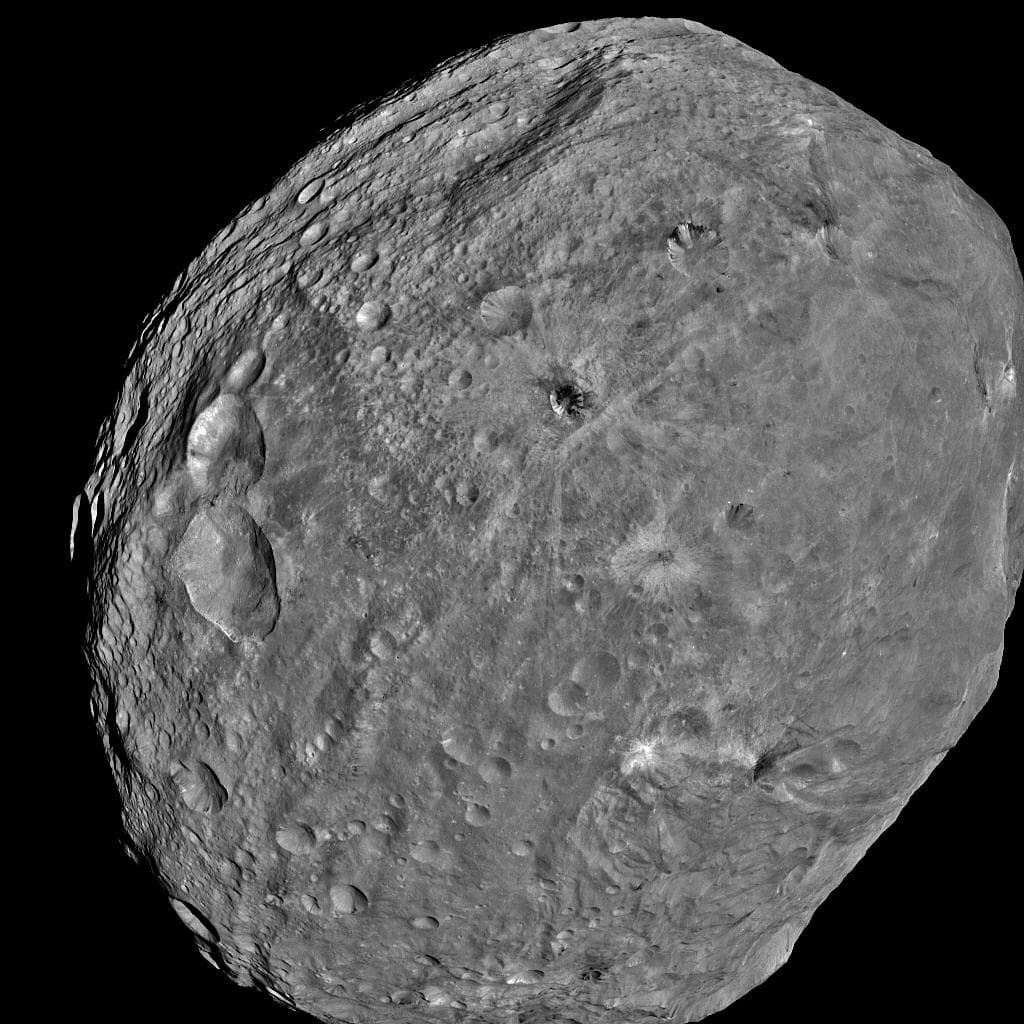
The Moon — Our Nearest Neighbor
It controls the tides, stabilizes our spin, and has been humanity's constant companion since the dawn of time.
It controls the tides, stabilizes our spin, and has been humanity's constant companion since the dawn of time. The Moon is the only celestial body beyond Earth that human beings have walked upon.
Formed around 4.5 billion years ago, likely from debris left over after a Mars-sized body collided with Earth, the Moon is an arid, airless world covered in impact craters and ancient volcanic plains known as maria (Latin for "seas").
Tonight, its phase dictates how much of its surface is illuminated by the Sun. Because it is tidally locked to Earth, we only ever see one side of the Moon. A pair of binoculars or a small telescope will reveal its rugged terrain, especially along the terminator line—the dividing line between lunar day and night where shadows are longest and craters are most clearly defined.
The light you see from the Moon is simply sunlight reflecting off its dusty surface, reaching your eyes in just over one second.